The 3-Leg Stool of Fitness: Strength, Endurance, and VO2 Max
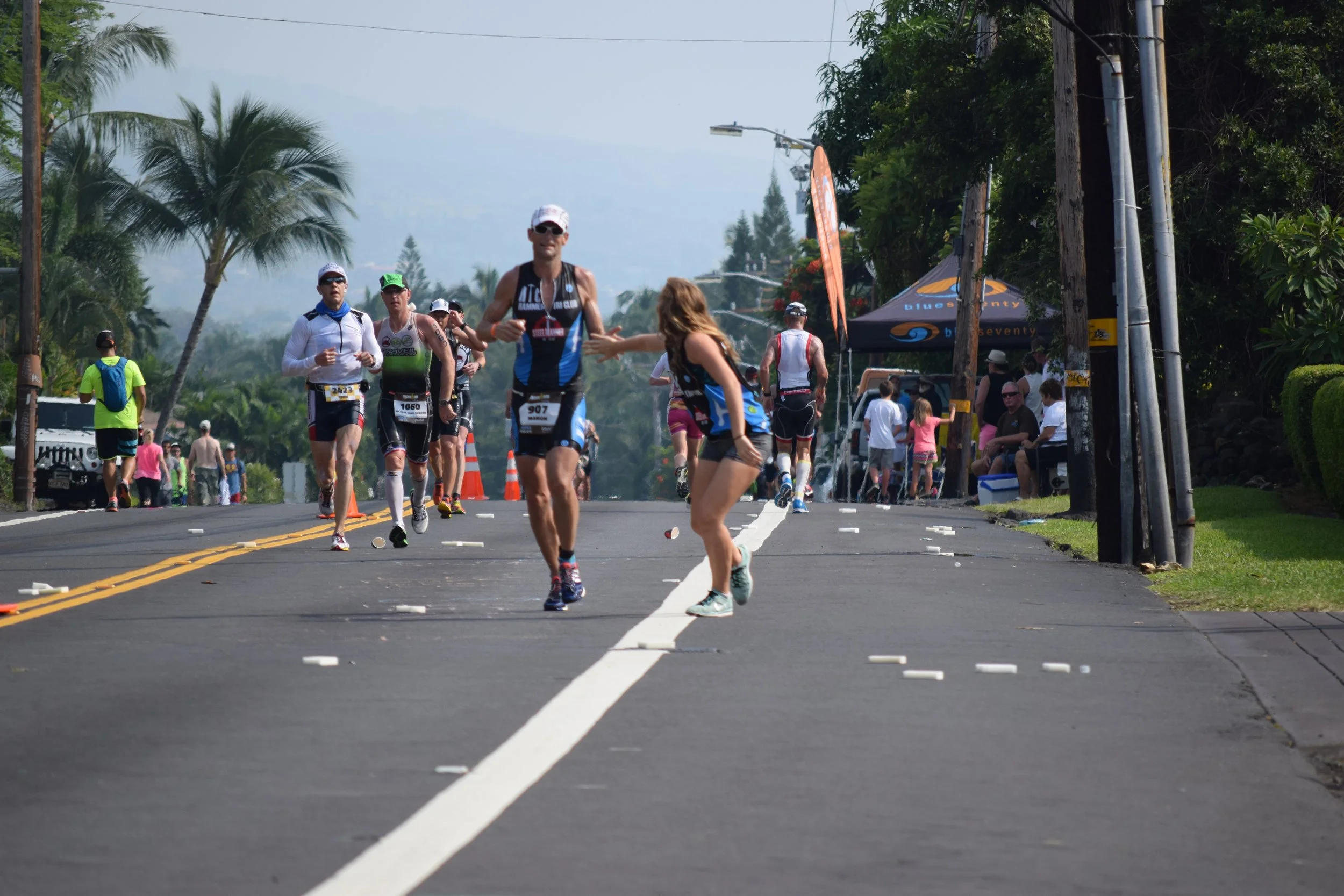
What is important in getting and maintaining fitness?
This is a common question that I’m asked by patients, family, and friends. I know a healthy and fit me is closer to my best me. I look at fitness like a three-leg stool. The three legs are strength, endurance, and VO2 max.
Strength is obvious. You should be doing some type of resistance training to maintain, improve, or prevent the loss of muscle mass. One measure of aging and decline is loss of muscle mass and loss of strength. You can dramatically slow this decline by doing specific strength training. Your ability to have a healthy lifestyle as you age is directly dependent on your muscle mass and strength.
The second leg is endurance. Endurance is your ability to sustain effort over a longer period of time. This has been labeled zone 2, “talking pace,” or steady. Doing sustained walks, runs, swims, bikes, etc., at a lower heart rate helps the body to build and maintain mitochondria, the body’s energy source. This effort helps you to burn fat and control glucose. Staying in this lower zone takes discipline and focus.
The last of the three is VO2 max. VO2 max is the maximum amount of oxygen your body can consume and use during intense exercise. The correlation between VO2 max and aging is significant, as VO2 max naturally declines with age. This decline begins in the late 20s or early 30s and accelerates after 50, with an average decline of about 1% per year. Factors such as reduced muscle mass (strength), lower cardiovascular efficiency, and lifestyle (sleep, alcohol, diet) can contribute to this decline. You can train your VO2 max by doing endurance or steady-state training because it affects the mitochondria and the body’s ability to make and use energy. The most important VO2 max training is harder intervals to get your heart rate much higher. VO₂ max intervals are most effective when performed at 90–105% of your maximum heart rate, lasting 3–10 minutes with a 1:1 to 1:1.5 work-to-rest ratio. These harder efforts will then require recovery.
As you age, you still need harder, high heart rate sessions. I have found that if I try and do these running, it is high risk for injury and takes much longer recovery. I use the rowing machine because a 3–8 minute interval sends my heart rate soaring. You can use whatever you like, but the effort needs to be hard.
Where does the motivation come on days where life is tough and fatigue is real? Have a group that holds you accountable. Use special days like birthdays, anniversaries, and special dates to get more from yourself. This past Friday, I had operated from 7:30–3:30. The last thing I felt like doing was a hard effort. However, last Friday was my daughter Molly’s 26th birthday, and I was going to celebrate this strong, independent, incredible woman. The session went like this:
Workout purpose: VO2 max and celebrate Molly, 26 years!
20 min treadmill on incline of 4%
2000 meter row hard (VO2 effort)
2 core sets including 26 situps, 26 starfish, 26 accordions, 26 pushups
10 min treadmill on an incline of 5%
1000 meter row harder (VO2 effort)
1 set of core, 26 reps
10 min treadmill on incline of 6%
1000 meter row harder (VO2 effort)
1 set of core
Total time: 1 hour, 26 minutes
For true fitness, think about your three-leg stool. Do your strength work. Do your slow and steady. Do your harder VO2 days, and then recover properly.