Expectations Versus Outcome
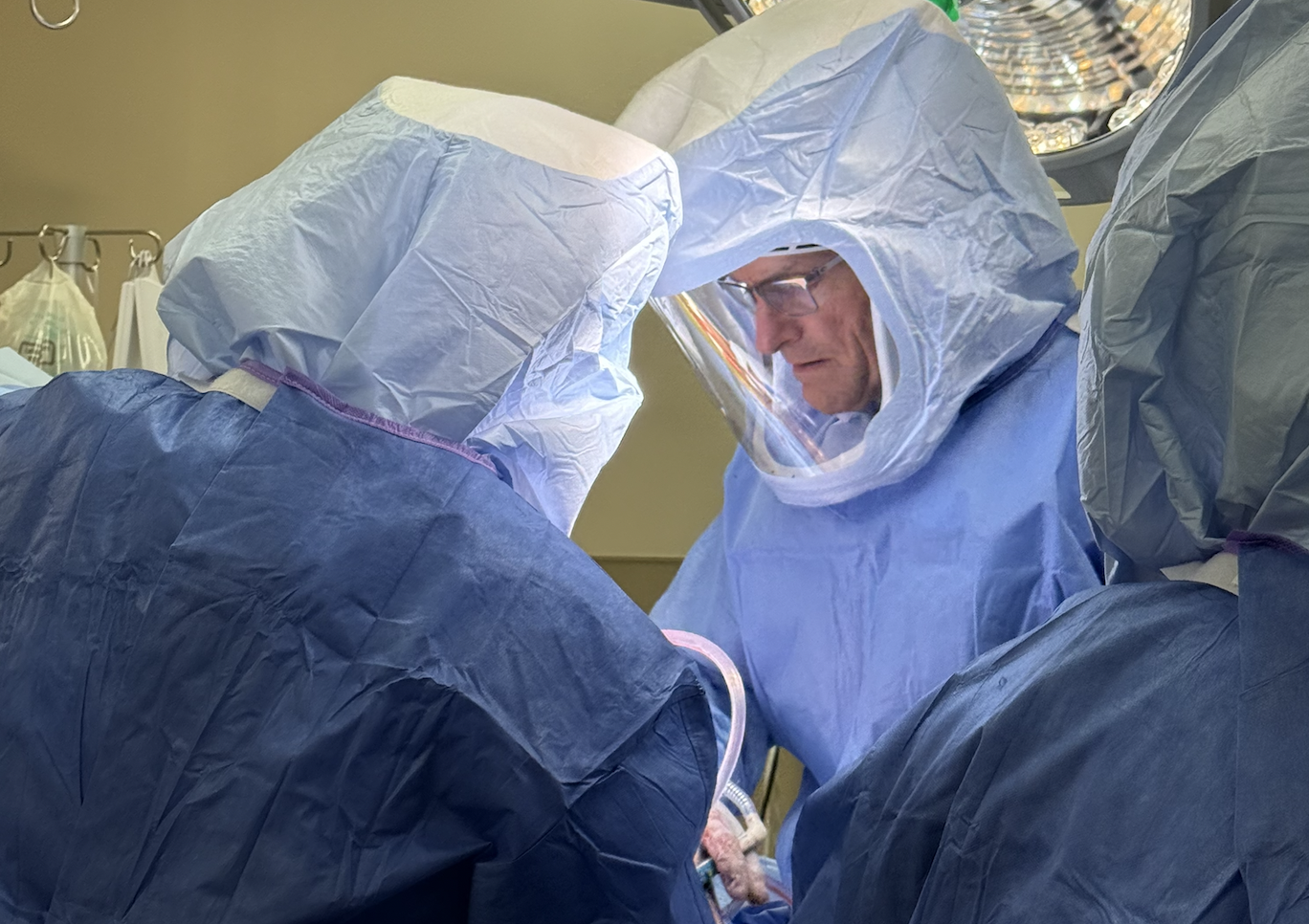
As a surgeon, one of my greatest concerns is the patient’s outcome. We perform surgery with expectations of how well the patient will do concerning pain, function, and the ability to return to their desired activity levels. The expected outcome is based on orthopedic literature, my own experience, and each individual patient’s pre-surgical condition. The outcome of the surgery will be directly related to the patient’s pre-surgical function.
One of the biggest discussions that should take place between the patient and surgeon is what the expectations of the outcome should be. Usually, the patient’s satisfaction is based on the actual outcome matching those expectations.
My guidelines for this discussion before a Total Shoulder or Reverse Total Shoulder Replacement include the following points:
You will need medical clearance from your primary care physician or cardiologist.
Your surgery will take place with a nerve block, and usually pain medication use is minimal and only needed for a couple of days. Pre-surgical use of narcotics will affect this in a negative manner.
You will be discharged either on the same day or after one night in the hospital. You will need someone at home for several nights to assist you.
You will sleep or rest in a sitting-up or reclined position for up to 4 weeks. A recliner can be very helpful.
Ice is critical for the first couple of weeks. Many patients order an ice machine to make this process easier.
You will be in a sling for 4 weeks. This is not true for every surgeon, but I think it is important to protect the rotator cuff, provide comfort, and prevent inadvertent use.
You cannot drive for 4 weeks. You will not be able to use the surgical side to "defensive drive" for about 4 weeks.
You will need physical therapy for 3–6 months to maximize your outcome.
Pre-surgical range of motion and strength are directly related to the outcome. A Total Shoulder or Reverse Total Shoulder Replacement WILL NOT RESTORE YOUR SHOULDER TO 100% NORMAL LIKE YOUR YOUNGER DAYS!
What can I expect when I recover?
a. With a Reverse Total Shoulder Replacement, you may lose internal rotation, or the ability to reach up the middle of your back like normal.
b. 85% return to sports: 93% for anatomic total shoulder and 75% for reverse total shoulder. (Liu et al., 2018)
c. 50% of patients return to golf at 6 months, and 90% return within 1 year. (Boltuch, 2022)
d. 72.5% of patients return to swimming: 82% for total shoulder and 64% for reverse total shoulder. (Mousad, 2025)
e. 85% of patients return to racket sports. (Vegas, 2023)
f. 79% return to lifting weights at a maintained or improved level. (Levy, 2026)
Things to Avoid:
a. Heavy weightlifting (doing lower reps with higher weight). I recommend 3 sets of 12–15 repetitions.
b. Overhead military press.
c. Excessive use of heavy machinery (jackhammer, chainsaw, etc.).
A satisfied and happy patient occurs when the outcome matches expectations. Problems can occur, but understanding these expectations is critical.